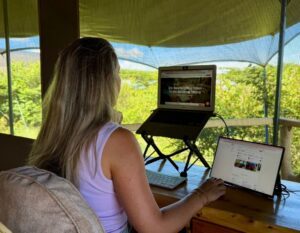
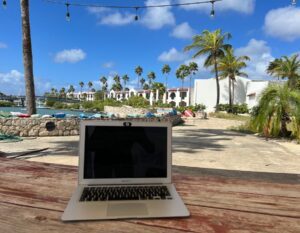
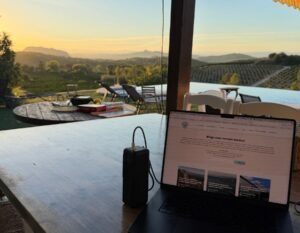
Three months of working from a sunny apartment, a cozy coffee shop in Lisbon, or a cottage surrounded by nature. It sounds like the ideal combination of work and adventure. Bring your laptop, enjoy a new setting, and after your workday, have plenty of time to explore the country. Still, an adventure like this requires a bit more preparation than just booking a flight. After all, what about your employer, your insurance, and your paperwork? With these practical tips, you’ll be able to set off feeling a lot more relaxed.
Make clear agreements with your employer
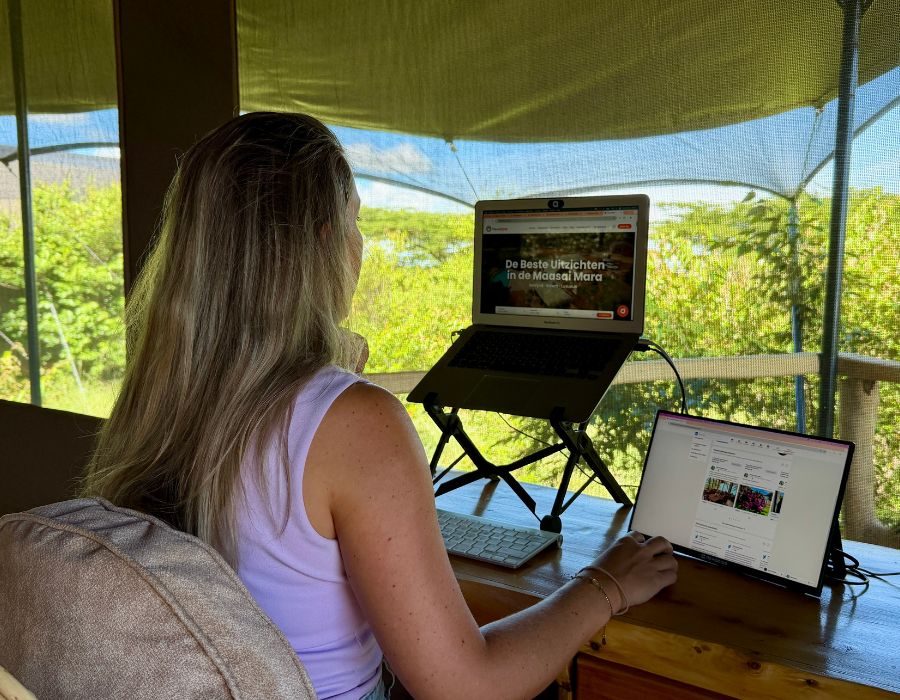
Before you pack your bags, it’s a good idea to sit down with your employer first. Are you actually allowed to work from abroad for three months? Not every employer is automatically open to this. After all, there may be implications for taxes, social security, and the rules that apply in the country where you’re staying. There may also be agreements in place regarding the security of company data. Are you a freelancer? If so, make sure your business can continue to operate smoothly while you’re away. Set out the key agreements in advance so you don’t run into any surprises halfway through your adventure.

Check your insurance before you go
Being well-prepared also means knowing where to turn if something goes wrong. Think of an unexpected trip to the hospital, stolen luggage, or an accident during a trip. So take a close look at your travel insurance with Univé or another insurer. Please note: standard travel insurance does not automatically cover paid work while abroad. Univé, for example, states that remote paid work is not covered under standard travel insurance. Even supplemental coverage for business trips doesn’t necessarily provide a solution here. So be sure to carefully check what kind of work you’ll be doing and ask your insurer which coverage is right for your situation. That way, you’ll know exactly where you stand before you go.
Check how long your coverage lasts
Three months abroad means you may be away longer than your standard travel insurance allows. With open-ended travel insurance The maximum trip duration is often limited to a certain number of consecutive days. For example, you can often extend the insured trip duration from 60 to a maximum of 180 days. That sounds convenient, but be aware: a longer trip duration does not automatically mean that remote work is also covered. The duration of your stay and the purpose of your trip are, in fact, two different matters. Therefore, be sure to check both the maximum trip duration and the conditions regarding your work. Not sure? Check with your insurer in advance.

Arrange your accommodations, internet, and financial matters
There’s nothing more frustrating than discovering on your first day of work that the Wi-Fi barely works. So be sure to find a place to stay with a reliable internet connection and a comfortable workspace. A separate table, a comfortable chair, and plenty of peace and quiet really make a difference when you’re spending hours each day at your laptop. Also consider practical matters such as a local SIM card, an international debit card, and any bank fees. Are you staying outside the European Union? If so, check whether your passport is valid for long enough and whether you need a visa. Some countries have specific rules for people who work remotely. Start researching early, because applications can take longer than you think.
Get ready and enjoy it
If you live somewhere else for three months, more than just your view will change. Check in advance what your health insurance coverage is, any tax obligations you might have, and the rules governing your stay. The implications vary by country and depend on your personal situation. Also, make a realistic plan for your work. After all, you’re not on vacation for three months—even if it sometimes feels that way. Decide for yourself when you’ll work and when you’ll go out and explore. That way, you’ll have plenty of time to discover new places. Have you taken care of the most important matters? Then nothing stands in your way of making this period a special experience.
More inspiration for remote work:
Online geld verdienen: de 25 beste manieren om vanuit het buitenland te werken