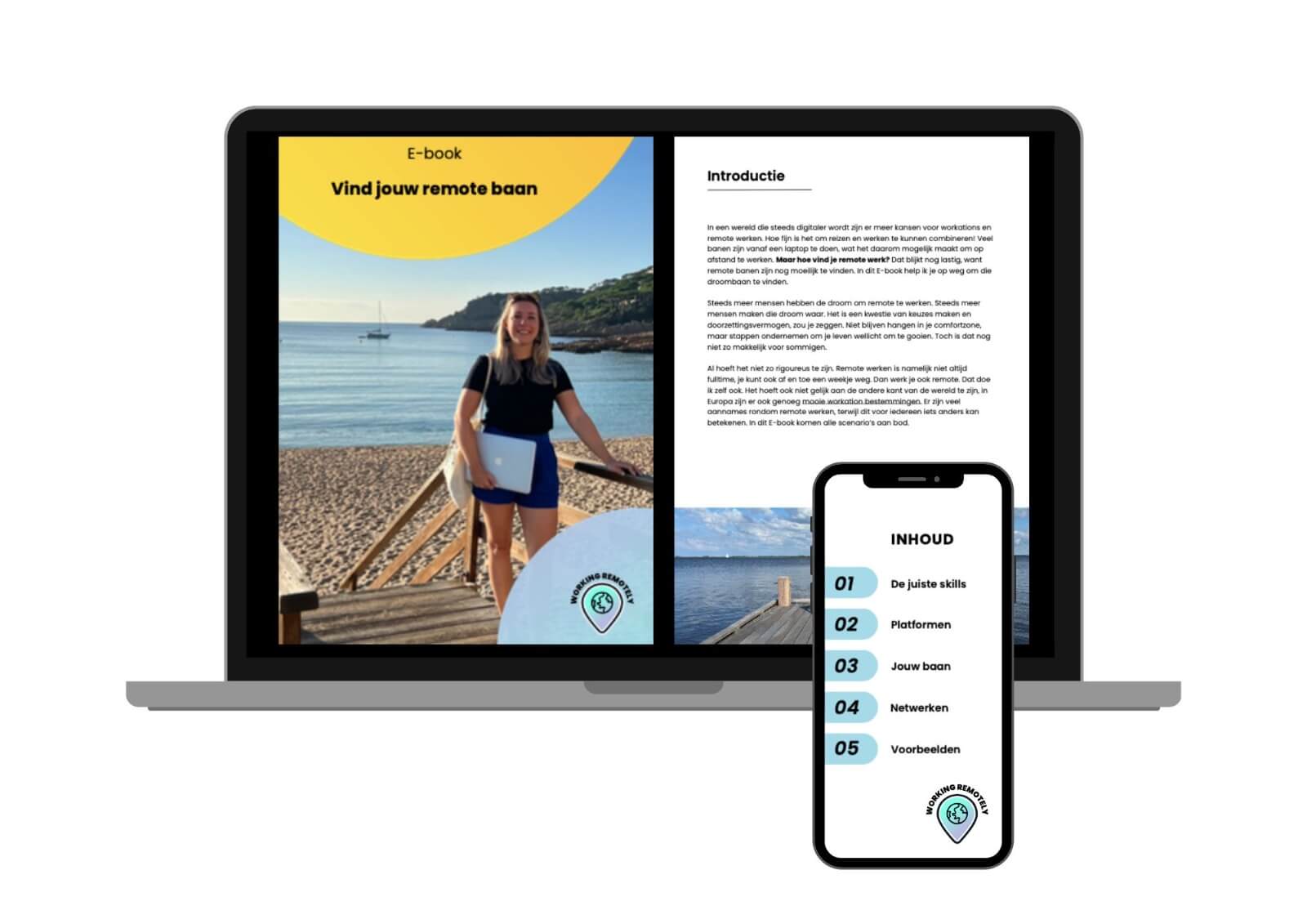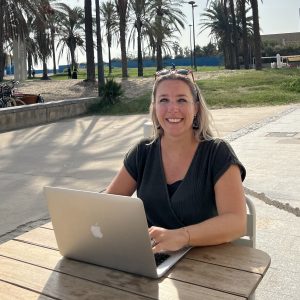


These days, everyone seems to want to work online. And I understand that better than anyone. The freedom, the flexibility—working from your own bedroom or a café in Lisbon—is ideal, and I’ve been doing it myself for four years now. But what about the revenue models behind that online lifestyle? Which ones really work, and where do you start? In this article, I’ll list the 12 most popular online revenue models. No fairy tales here, just honest information about what they yield, what they cost, and what you need to succeed.
Start with passion and expertise
Before you earn a single penny online, there’s one question you need to ask yourself: What gets you excited, and what do you really know about? That combination is crucial. Building a revenue model that actually generates income takes time and energy. If you do something you don’t believe in, you won’t stick with it. If you do something you know little about, you won’t make money from it. So choose a niche or specialization where you can help others and distinguish yourself as an expert.
“Start before you’re ready!”
Don’t wait for the perfect moment—just get started! Make sure your online presence is in order: a polished website, an active presence on social media like Instagram, TikTok, or LinkedIn, and a professional Google profile. When people look you up, you want your profile to be rock-solid.
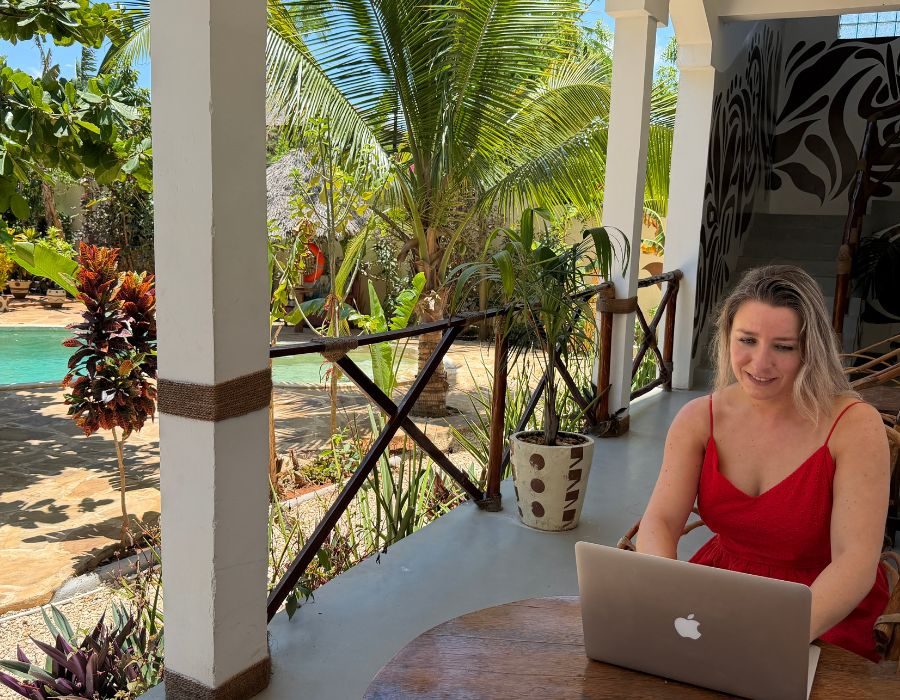

The reality: compromises are often necessary
Many people dream of three things when it comes to working online: security, a lot of money, and freedom. The harsh reality of online entrepreneurship is that you can have the freedom, but security and making a lot of money quickly don’t automatically come with it. Especially not in the beginning. That doesn’t mean it’s not achievable—on the contrary! But expect to have to put in the time—often alongside your current job—before you really start reaping the rewards and earning a good income from it.
The 12 most popular online revenue models
Launching an online business model that actually generates income takes time and a lot of effort. Do what makes your heart race, what you truly believe in, and what helps others.
- Freelancing – Sell your skills (writing, design, programming, marketing). Experienced freelancers earn €3,000–€8,000 per month.
- Affiliate marketing – Promote other people’s products and earn a commission on each sale. With a strong audience or website, earning €1,000–€10,000 per month is realistic.
- Selling digital products – Create a one-time product—such as an e-book, checklist, template, or preset—and sell it as many times as you want. These products typically cost between €10 and €20. However, selling low-priced products means you’ll need to sell a lot of them.
- Online courses – Share your expertise by offering an online course through your own website or external platforms. This typically costs between €200 and €1,000.
- Coaching – Help others through coaching and customized programs. Just make sure you offer significant value, since a coach typically costs between €500 and €2,000.
- Virtual Assistant – As a VA, you support entrepreneurs with tasks such as customer service, marketing, and administrative work. Read more: How to Become a Virtual Assistant.
- SaaS (Software as a Service) – Build a web application with a monthly subscription model. High initial investment, but highly scalable and highly valuable if successful.
- Content creation (YouTube / Podcast / social media) – Through ads, sponsorships, and merchandise. Larger channels earn €5,000–€50,000 per month.
- Google AdSense – If you have a successful website, consider displaying Google ads on it to earn some extra passive income. With as few as 3,000 visitors per month, this can earn you €1,000 per year.
- E-commerce – Selling physical products through an online store. Successful with the right niche and strong marketing.
- Membership communities – Build a paid subscription model around valuable content (for example, via Substack). Stable, recurring income.
- Trading & Investing (Crypto/Stocks) – Generating active or passive income through financial markets. Requires knowledge and risk management; it is not a “get-rich-quick” scheme, but it is scalable.

How do you get started?
Market Research & Competitive Analysis
Before you launch even a single product or service, it’s wise to thoroughly research the market. Who are your competitors, what do they offer, and how long have they been in business? Also, stay up to date on media and trends in your field. What’s happening, what’s growing, and what’s fading away? Also follow successful online entrepreneurs: what do they do, how do they communicate, and what are they focused on? You don’t have to reinvent the wheel. Learn from those who are already further along than you.
Developing the Right Skills
If you don’t have the necessary knowledge yet, there are plenty of people who claim they can teach you how to get rich online. Some are brilliant, others are just good at selling. Red flags: promises of quick money, secret methods, simple steps, or claims like “3K in no time.” Always check reviews, ask critical questions, request a brief introductory session, and do your own research. For every online profession, you can find an expert who can train or mentor you. But be critical, because not all of them are equally good.
Pilot Program A hobby isn’t a revenue model—people actually have to be willing to pay for it. Don’t be fooled by how many people say they’ll definitely buy something from you, but then don’t follow through when it really matters. The best way to test whether your idea is viable: start with test customers. Consider working for free or at a reduced rate in exchange for honest feedback and a review. Those reviews lead to recommendations, and recommendations lead to word-of-mouth advertising.
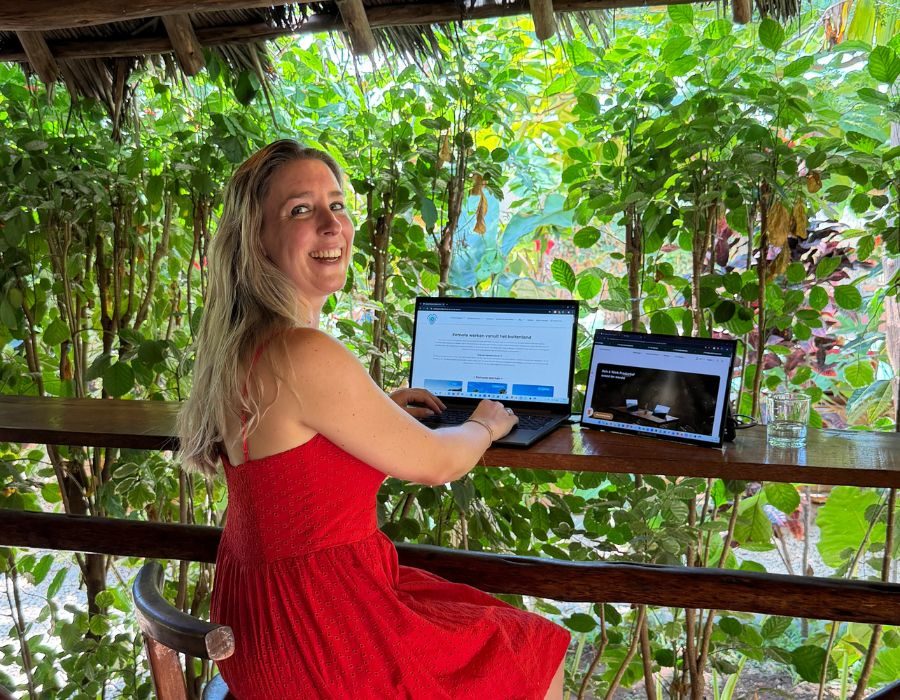
Setting Your Rates
Don’t set your rates too high at the beginning. It’s tempting to charge a lot right away, but without a track record, it’s hard to justify that. Do some market research first: what do similar providers charge for a comparable product or service? Use that as a reference point and position yourself realistically. You can always raise your price as you gain more experience and reviews, or temporarily offer promotions and discounts to attract new customers.
Building It Up & the Tipping Point
Building an online revenue model takes more time than most people expect. In the early stages, you almost always combine it with a full-time job or freelance work. That means working evenings and weekends, putting in long hours without seeing immediate results. Perseverance is crucial.
At some point, you reach a tipping point: the moment when you have enough confidence to take the leap into running a fully online business. For me, that was after four months; that’s when I quit my salaried job and went on to work as a freelancer. At that point, I didn’t yet have a full income, but I did have enough confidence that I would be able to achieve that within a few months. Which is exactly what happened.
Networking
The most successful entrepreneurs consciously surround themselves with like-minded people—both online and in real life—from regional business mixers to private online communities. There are plenty of places where you can find people who understand what you’re doing. Share experiences, learn from each other’s pitfalls, and give each other a boost when things get tough. A strong network isn’t just valuable for new projects or collaborations; it’s also nice to have people around you who understand what it means to build something from scratch.

For what age groups is remote work suitable?
Actually, for everyone. Yes, many online jobs are in marketing and social media, and for those, it helps if you stay up to date on the latest knowledge and trends. And yes, basic skills like video conferencing, working with digital files, and communicating online are essential. But those are things you can learn, at any age. What “older” people do have more of is work experience. An understanding of how organizations operate, how to communicate with customers, and how to solve problems.
Get started with your online revenue model
One last tip: Build a strong online personal brand. In many cases, you are the face of your brand. People buy from people. It has to be personal. That’s why you need to present yourself effectively online. Link to blog: online branding (to be published)
Making money online is definitely possible, but it’s not a quick fix or a straight path. It requires perseverance, a clear niche, and a willingness to put in long hours before things really take off. Start small, build steadily, and choose something you truly believe in. Then it’s definitely possible! Need help with this? I’d be happy to assist you with one-on-one coaching to successfully set up your online revenue model.
Curious to see how this works in practice? And what revenue models I use myself? Then be sure to read: From Employee to Online Entrepreneur in 8 Steps.

More inspiration on remote jobs:
15 bijzondere banen waarbij je kunt werken vanuit het buitenland (zonder laptop)
Online geld verdienen: de 25 beste manieren om vanuit het buitenland te werken