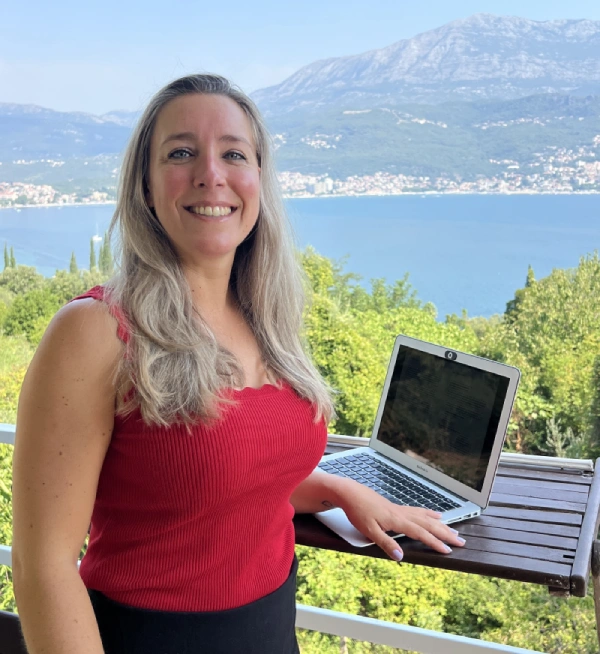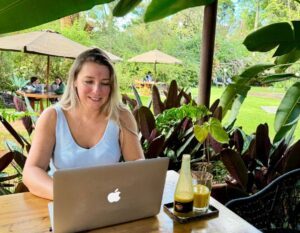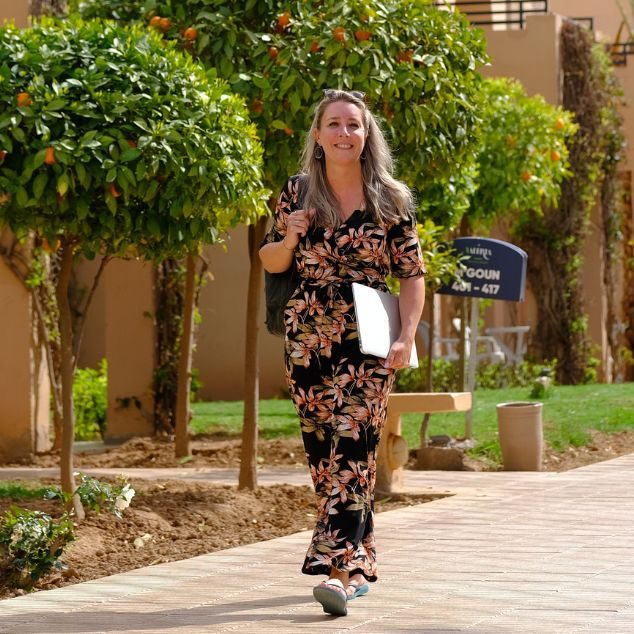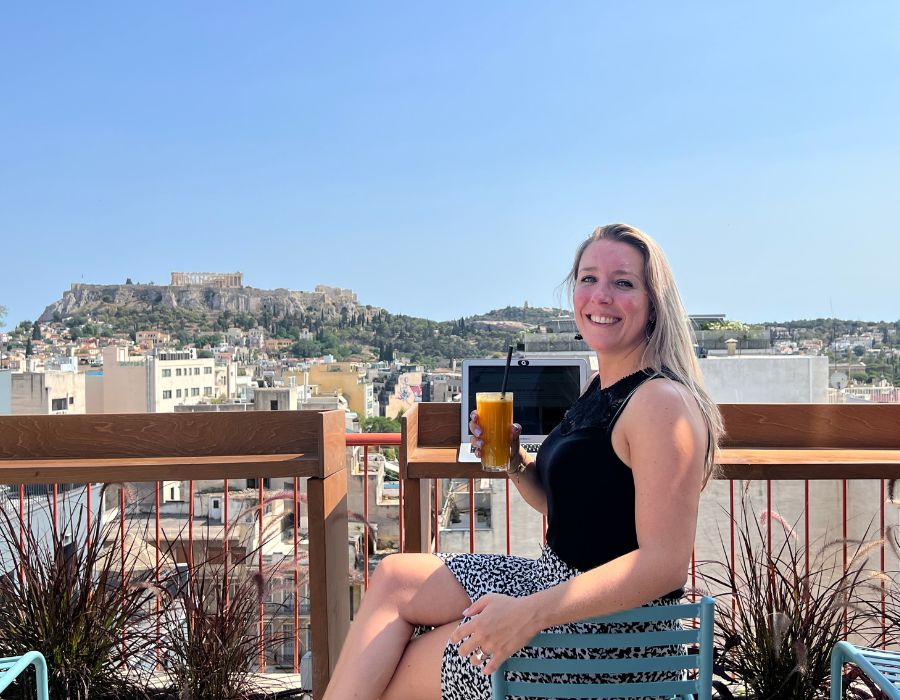


If you say you have a remote-first policy, most people nod understandingly. But if you then tell them that your team members work productively from Bali, Spain and Portugal, while the rest are in the Netherlands, you get different questions.
“How do you maintain the culture?” “How do you know everyone is working?” “Doesn’t that work chaotically with an agency?”
The honest answer: it doesn’t work by itself. But it does work if you get the foundation right. And with us, that foundation is not a handbook of rules. It is trust. Trust that comes from knowing each other’s talents, drives and work styles.
At Gradient, B2B marketing agency in NL specializing in go-to-market strategy, we haven’t implemented remote and hybrid working because it’s hip. We do it because it fits who we are and how we deliver the best work. And yes, and of course, as an owner-entrepreneur I have freedom as my most important personal core value, and of course I grant that to the Gradiators as well.
Who is Gradient: five core values, one culture
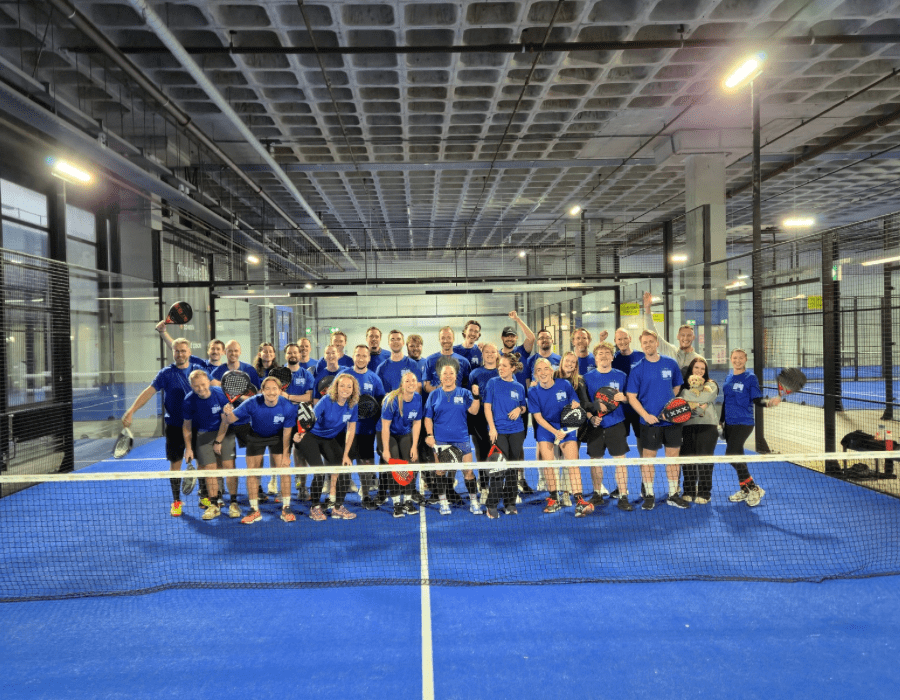
Gradient is a team of 30 Gradiators: growth marketers, marketers, strategists, data specialists and creatives who together build AI-powered go-to-market systems for B2B companies. We are #1 B2B Agency in the Emerce 100 and have built more than 300 growth engines in 13 years. But numbers don’t tell the whole story. What really defines us are our five core values:
- Bold Faith – boldness, or as Pippi Longstocking says; “I’ve never done it before, so I guess I can do it.”,
- Curiosity – the hunger to discover what else is possible (with AI ;-).
- Service First – service, no ego, your success is our success.
- Ownership, entrepreneurship, one step ahead, ownership of your work and your growth.
- Sharp Edge, critical and sharp, to make it better.
These values were not conceived in a workshop and then hung framed on the wall. They live in how we collaborate, give feedback, make decisions and yes … in how we successfully remote work.
Remote working with trust as a basis
The secret behind our remote policy is not a tool, software or strict protocol. It’s insight into your talents. We work with Gallup’s CliftonStrengths, a scientifically based method that reveals where your natural talents lie. Every Gradiator knows his or her top talents and knows how to use them within the context of Gradient. Gallup research shows that teams in which 90% or more know their strengths perform demonstrably better and are more engaged.
Our premise is simple: you get 1% better every day by working from your talents. That’s where your passion is, that’s where your natural growth is. And if you know what your strengths and goals are – and you know what those of your colleagues are – then no micromanagement is needed. Then you work from focus, relaxation, authenticity, that is, from trust.
That confidence makes remote working possible. Confidence in how you arrange your day. Confidence in the learning path you choose. Trust in the talents you develop. Not blind trust, but trust built on mutual understanding.
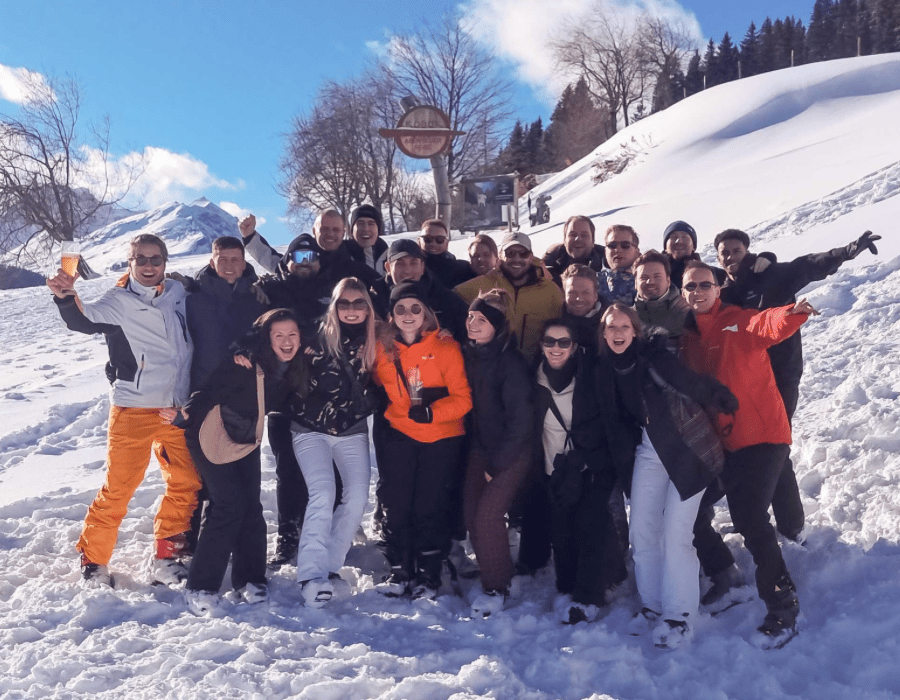
Keeping connected with your colleagues wherever you are
Remote working succeeds or fails at rhythm. If you only communicate async, you lose the personal connection. If you are required to be in the office every day, you lose flexibility. We developed a rhythm that works like a roof tile structure, each level overlaps with the next and together they form a watertight whole.
Every day we hold short check-ins and work together in small integrated teams on client projects. The threshold for sparring is low, especially digitally. There are fixed weekly moments of knowledge sharing – also fully accessible online – including informal drinks. This is the moment when you hear what colleagues are doing, what they have learned and what they are up against.
Monthly, we organize a comprehensive afternoon update with the entire team, followed by drinks. Here we share results, celebrate successes and share insights on clients and projects.
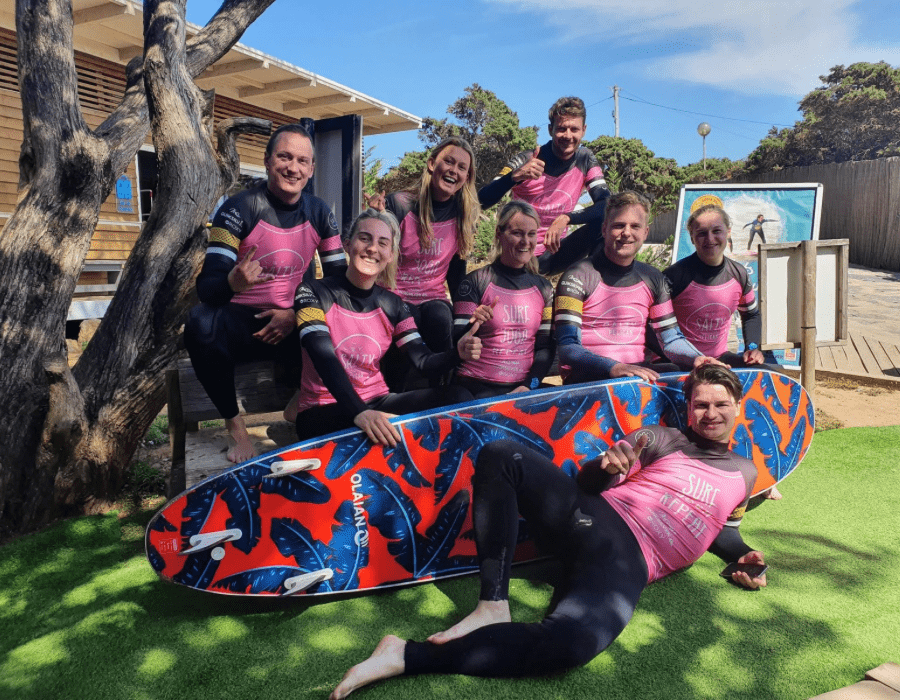
Every quarter we have a quarterly session where we look back and look forward, combined with a sporting activity, eating out and going out. This is where strategy and team building come together. And every year we go on a ski or city trip with the whole team. Three days where you get to know colleagues in a different way and where the culture is reinforced.
This rhythm is no accident. We have thought this out so that we organically feed the culture with human interactions, even if we are not always in the same place.
Working from Bali: how it works
One of our Gradiators works out of Bali. Six to seven hours time difference with the Netherlands. And it works. Not despite the distance, but because we made the right arrangements. He fits his work schedule seamlessly into his daily routine. The afternoon and evening hours in Bali overlap with the Dutch workday, for consultation and coordination. He uses the rest of his day for focused (strategy) work, without interruptions. The result: higher quality output and a colleague who is energetic and motivated.
That is exactly the insight: remote working is not about control. It’s about creating the conditions in which people can do their best work. And those conditions are different for everyone.
The challenges of remote working – and how we are addressing them
Remote working is not just freedom and flexibility. There are real challenges and we have experienced them all.
Time zones and scheduling. With a colleague in Bali, you have to be aware of overlap hours. We schedule meetings in the overlapping time windows and respect each other’s working hours outside of them. Async communication – through our Agency Operating System in which we all work according to clear agreements, with clear briefings, clear tasks and shared documents – replaces much of the meetings you would otherwise have.
Connecting from a distance. It’s easy to feel isolated when you don’t see colleagues on a daily basis. Our roof-top rhythm is the direct answer to this. Weekly knowledge sharing, monthly updates and quarterly sessions ensure that no one becomes an island. Even if you work from Bali 😉
Productivity and focus. We measure output, not attendance. That sounds logical, but it requires a mindset shift in many organizations. With CliftonStrengths, because we know where everyone’s strengths lie, we can distribute work in a way that matches natural talents. That not only produces better results, but also more job satisfaction.
Do’s and don’ts for remote employers
After years of experience with hybrid and remote working, here are our key learnings:
Do this: Invest in knowing each other’s talents and motivations; tools like CliftonStrengths help tremendously. Build a deliberate rhythm of contact moments at different levels. Measure for output and results, not written hours. Provide a very comprehensive onboarding and training of new employees in the way of working.
Ask employees in a structured and anonymous way how they feel and how happy they are. We do this twice a year for the entire company and on an ongoing basis in 1-2-1 sessions: it provides a wealth of information about what you can optimize. It’s often in the little things. But above all: Give trust as a starting point, not a reward. Create space for informal moments, the get-togethers, the outings and the trip are not a luxury, they are essential investments.
Don’t do this: implement Remote policies without getting the culture right first. Thinking that technology alone solves the problem, it’s about people. Imposing the same rhythm on everyone, flexibility is the whole point. Micromanage, if you need to, remote working is not your problem, it’s your company culture.
The impact of remote working on our culture
What has remote working done to our corporate culture? It has made it stronger, not weaker. Ownership has increased: when you work remotely, you have to take responsibility for your day, your work and your growth. Autonomy has become the norm. Collaboration is more intentional and therefore more effective. And loyalty? That grows when you give employees the confidence to arrange their lives and work in their own way.
We see Gradiators staying with us not in spite of the remote policy, but rather in part because of the remote policy. It is a conscious decision that fits with how the best marketers want to work.
How Gradient looks to the future of work
The future of work is not entirely remote and not entirely office-based. It’s a thoughtful hybrid model that fits your team, your culture and your ambitions. At Gradient, we continue to invest in our roof-top rhythm, in talent-focused work and in the trust that underpins everything we do.
We believe that the best B2B marketers are not necessarily in Amsterdam. They are all over the world, in a place where they feel good and perform at their best. And if you build the right culture and structure, it doesn’t matter if someone works out of the B. Amsterdam corporate office building (like we do) , a co-working space in Lisbon, or a villa in Bali.
Become a Gradiator and work where you want
We are looking for a Growth Marketer (GTM) who wants to help build go-to-market systems for ambitious B2B companies. Someone with guts, curiosity and the drive to become 1% better every day. From your own talents, in your own way.
Curious? Check out the job posting and find out if Gradient is right for you:
→View the job opening: Growth Marketer (GTM) at Gradient
Want to learn more about who we are? Check out our team and culture.
About the author
Joost Jongbloed is founder of Gradient, a B2B marketing agency that builds AI-powered go-to-market systems for ambitious companies. With a team of 30+ Gradiators and 13 years of experience in B2B growth, Gradient helps companies grow structurally. Want to know more? Visit begradient.com.
More tips on working remotely from abroad
Hoe kun je je baas overtuigen van remote werken? Lees de 10 beste manieren.